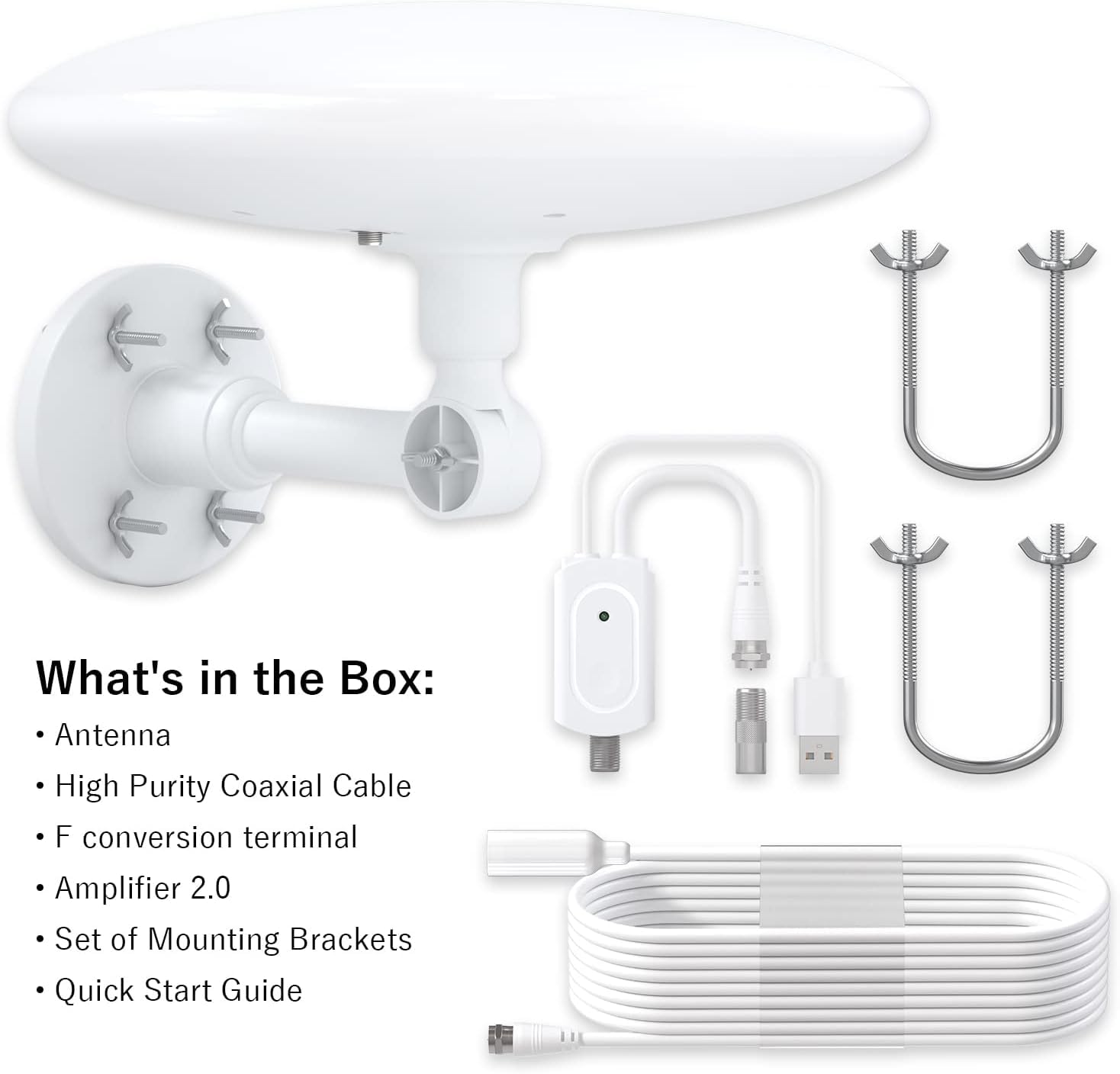
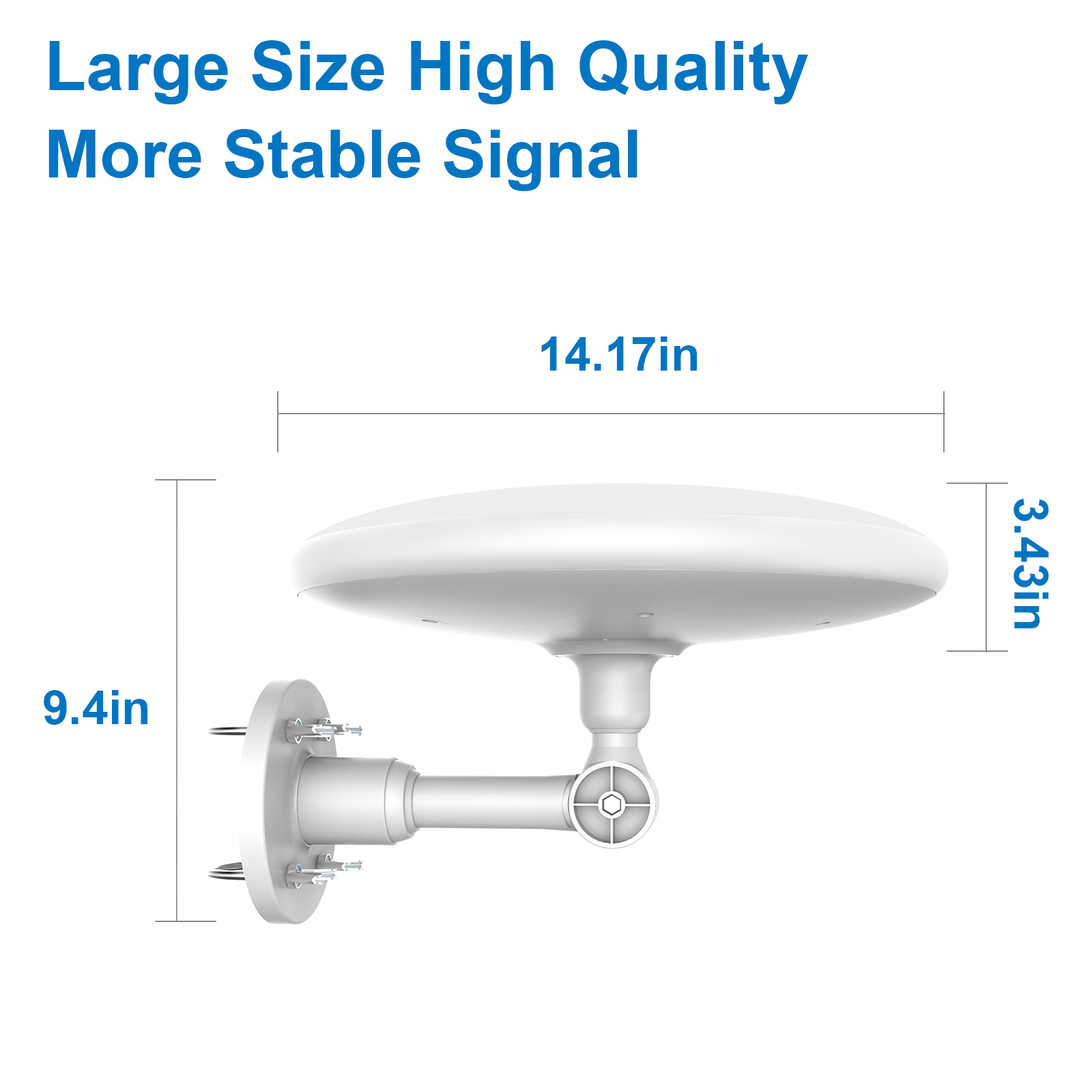
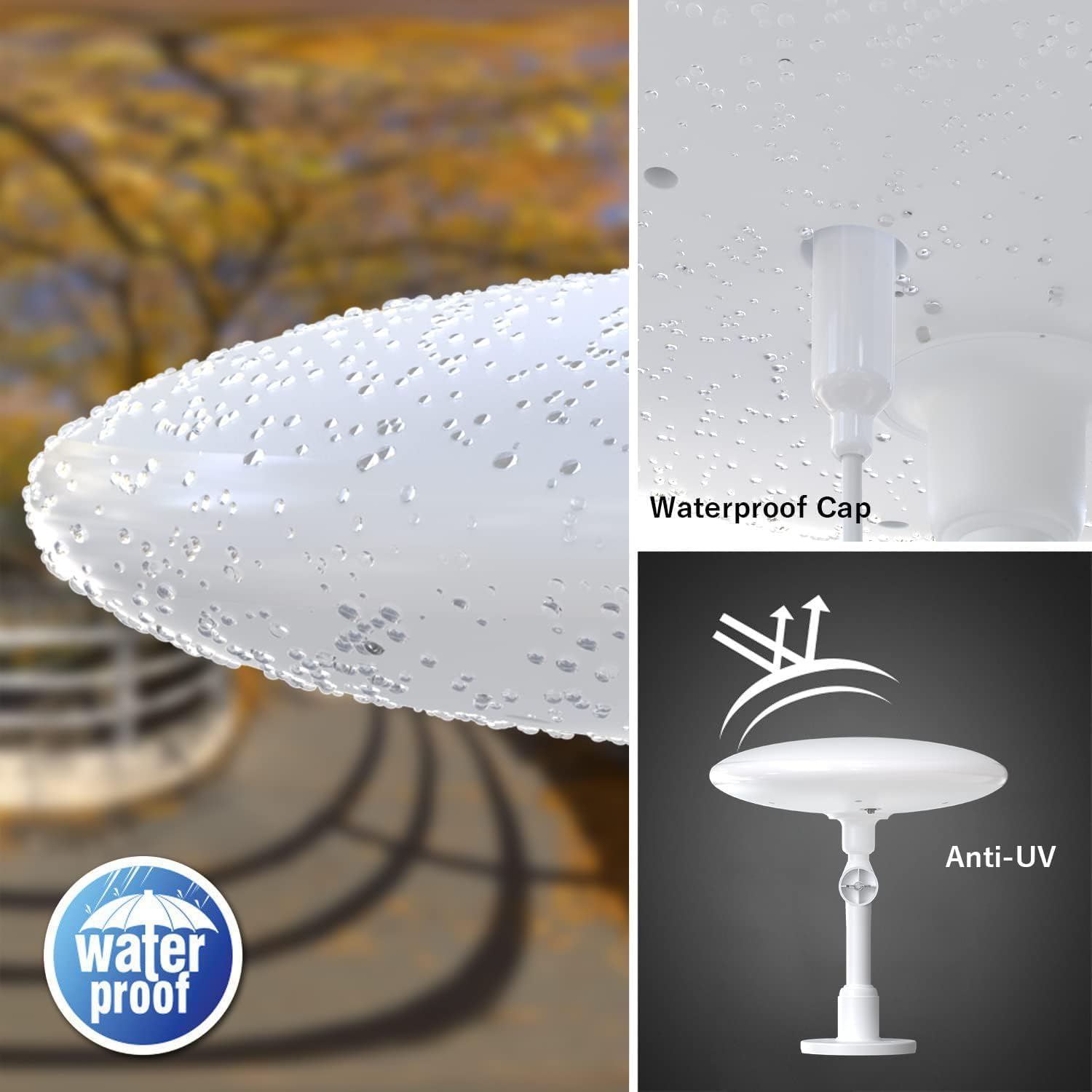
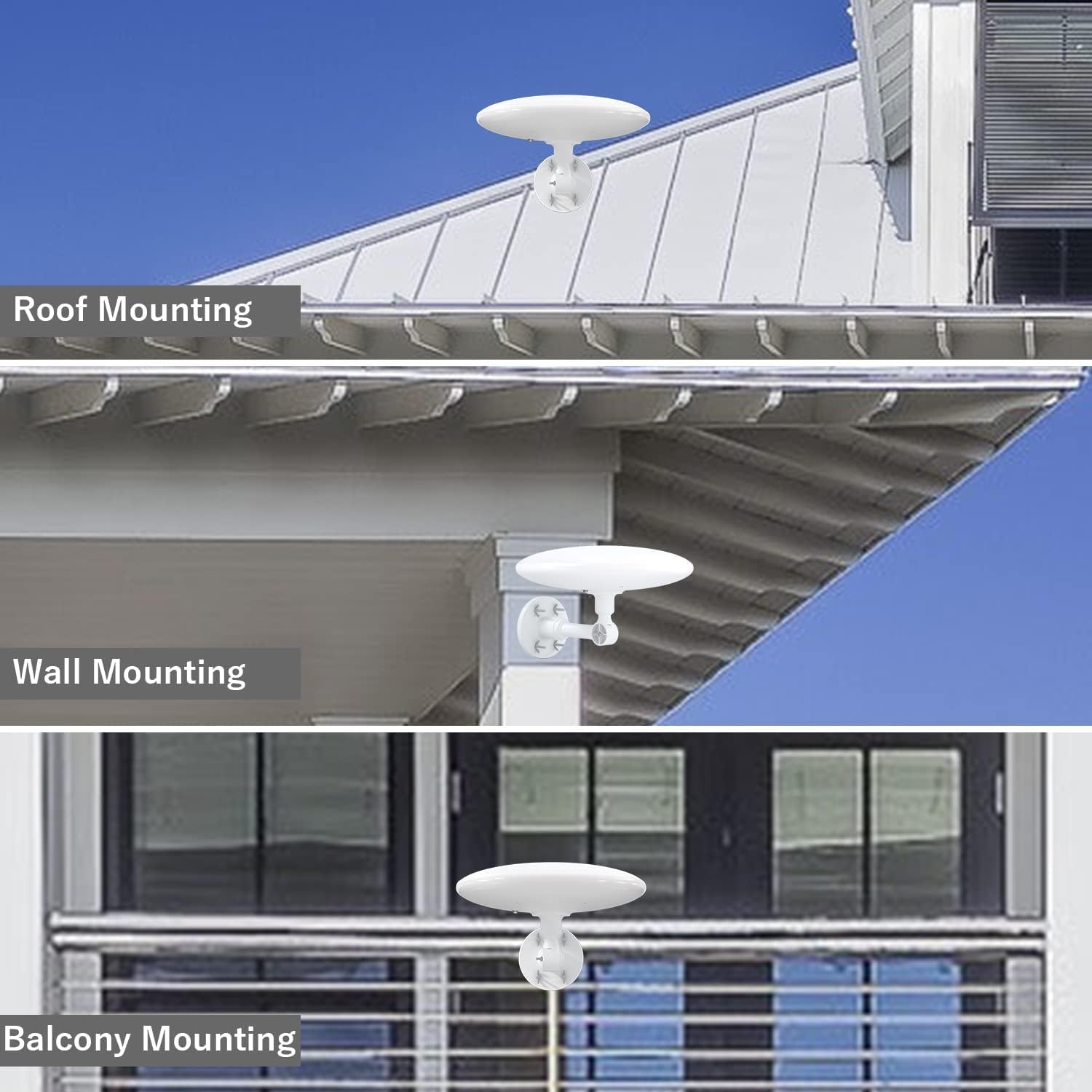
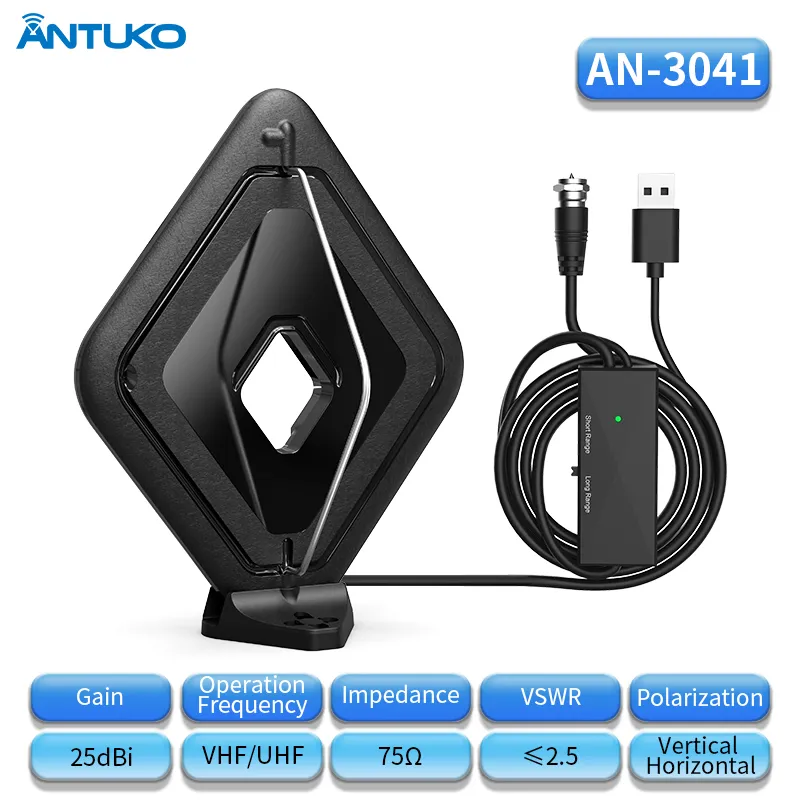
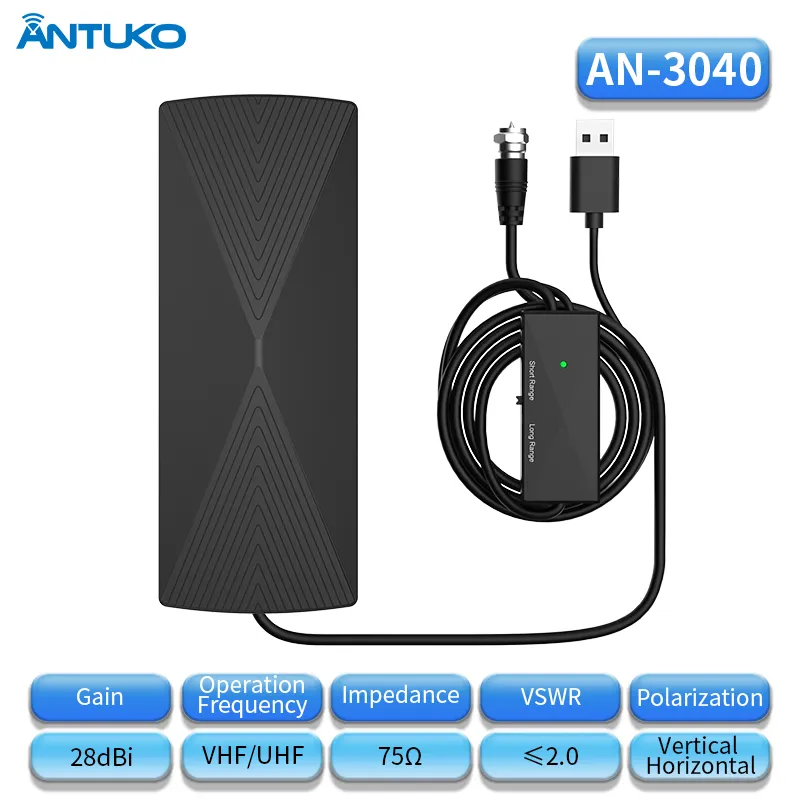
The 2026 FIFA World Cup just concluded as the most-watched soccer tournament in American television history — 104 matches averaging a record 7.7 million viewers on FOX, 11 matches topping 15 million, and more than $1 billion in advertising revenue. But the biggest beneficiary of the tournament may not have been a broadcaster, a streaming platform, or a sponsor. It may have been a $25 piece of plastic and metal that most Americans had forgotten existed: the indoor TV Antenna.
The 2026 World Cup by the Numbers7.7 million — Average US viewers per match, a record for any World Cup
11 matches — Topped 15 million viewers on FOX
$1 billion+ — Advertising revenue from the tournament
2.8 million — New sign-ups to Fox One streaming platform during the Cup (Antenna data)
60 — Peak search interest value for "indoor TV Antenna" in June 2026
$2.23 billion — Global Indoor TV Antenna market value (WiseGuy Reports, 2025)
The World Cup Was Free — If You Had an Antenna
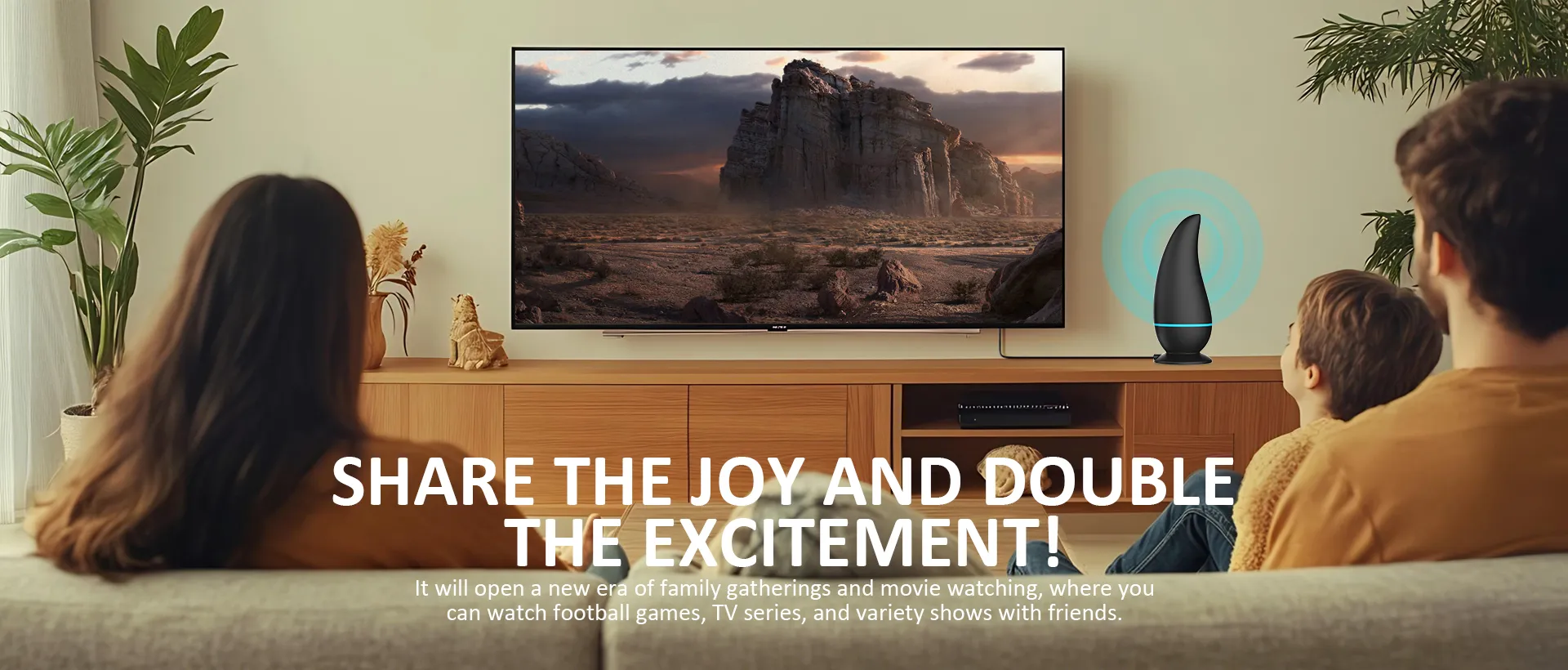
Every World Cup match broadcast on FOX was available free over the air. No cable subscription required. No streaming login. No monthly fee. An indoor antenna connected to any television with an ATSC tuner delivered every match in uncompressed high definition — the same signal the network fed to cable operators and streaming platforms, minus the compression artifacts that plague live sports on streamed feeds.
This fact — that the world's most-watched sporting event was available for free with a device that costs less than a single month of YouTube TV — became a viral discovery moment. Social media threads on Reddit, X, and Facebook circulated the same message throughout June and July: "You can watch every World Cup match for free with an antenna. Here's how." The posts, shared hundreds of thousands of times, functioned as an unpaid, user-generated marketing campaign for the entire indoor antenna category. No manufacturer paid for the exposure. The World Cup itself — and the high cost of streaming alternatives — did the work.
For millions of viewers who had never owned an antenna, or who had assumed over-the-air television no longer existed, the World Cup was a forced education in broadcast infrastructure. They learned that major sporting events — the Super Bowl, the Olympics, the World Cup — are contractually required to be available on free broadcast television. They learned that an antenna delivers a picture quality superior to compressed streaming feeds. And they learned that the entire setup process consists of plugging in a coaxial cable and pressing "channel scan." The conversion funnel was, effectively, the World Cup itself: awareness from social media, consideration when the streaming bill arrived, and purchase when the next match was starting in 20 minutes.
Fox One's 2.8 Million Sign-Ups Told the Real Story
Research firm Antenna reported that Fox One — Fox's streaming platform — gained 2.8 million new sign-ups during the World Cup, driven by viewers who wanted to watch matches on mobiles devices or who lacked access to a television with an antenna connection. Those 2.8 million sign-ups are instructive in both directions. They demonstrate enormous demand for World Cup access beyond traditional television. But they also represent 2.8 million households that either did not know about the free antenna option or chose the streaming path despite it — and every one of those 2.8 million households is now a potential antenna customer for the next major sporting event, having experienced firsthand the friction of streaming sign-ups, authentication, and compression artifacts versus the simplicity of an antenna.
The World Cup also exposed a critical limitation of streaming-only households: latency. Over-the-air broadcasts arrive at the television virtually instantaneously. Streaming feeds are typically delayed by 30 to 60 seconds due to encoding, transmission, and buffering. For soccer fans following matches on social media or messaging apps — where a goal notification can arrive before the stream shows the ball crossing the line — the latency gap between antenna and streaming became a widely discussed frustration. Multiple Reddit threads during the tournament documented the phenomenon: "My neighbor just celebrated a goal 45 seconds before I saw it on my stream." The antenna, it turned out, was not just cheaper than streaming. It was faster.
The Sports Antenna Calendar: Why Live Events Drive Recurring Demand
The World Cup is the most dramatic example, but it is not an isolated one. The 2026 sports calendar has been uniquely favorable to antenna adoption. The Milan Cortina Winter Olympics in February delivered 11.2 billion minutes of streamed content — up 62 percent from all prior Winter Games combined — but every event was also available free over the air on NBC. The Super Bowl in February, the most-watched television event in the United States every year, is available free on broadcast networks. The NFL regular season beginning in September will put Sunday afternoon games on CBS and FOX — free with an antenna — every week for five months. The annual cycle of major sporting events creates recurring demand spikes for Antennas: sales surge in the weeks before the Super Bowl, before the Olympics, before the World Cup, and in late August before the NFL season.
This seasonal demand pattern is observable in retail data. Amazon's best-seller rankings for indoor TV Antennas show predictable spikes that align with major sporting events. Search interest for "indoor TV antenna," "OTA antenna," and "how to watch football without cable" peaks in August and September, declines through the winter, and surges again before major tournaments. The World Cup in June and July 2026 created a mid-year demand spike that the industry has never experienced before — the tournament's summer timing coincided with the period when antenna search interest is typically at its annual low point. The result was a demand curve that looked unlike anything in the category's history.
"Every major sporting event is a free advertisement for antennas. The World Cup was just the biggest one ever — and it reached an audience that had never considered an antenna before."
Beyond Sports: The World Cup's Structural Impact on Antenna Awareness
The World Cup's impact on the indoor antenna market extends beyond the tournament's duration. Every household that bought an antenna to watch soccer now owns that antenna. It is connected to their television. It continues to receive free channels — network programming, local news, weather, and fall sports — long after the World Cup trophy has been awarded. The antenna purchase triggered by a specific event creates a permanent change in the household's television infrastructure. Those households are now antenna households, and their antenna will keep delivering free content for years.
This installed-base effect compounds over time. A household that bought an antenna for the 2024 Olympics added it for the 2025 Super Bowl, discovered local channels, and kept it for the 2026 World Cup — each event reinforcing the value of the initial purchase. The antenna is not a subscription that can be canceled. It is not an app that can be deleted. It is a physical device connected to the television, and once it is set up and working, the friction of removing it exceeds the friction of keeping it. The net result is a growing installed base of antenna-equipped households that grows with every major sporting event — and the 2026 World Cup was, by viewership and by cultural impact, the largest antenna awareness event in the category's history.
What This Means for the Antenna Market Through 2026 and Beyond
The indoor TV antenna market was already growing at a 4.6 to 7.7 percent compound annual growth rate, valued at $2.23 billion globally according to WiseGuy Reports. The World Cup effect adds an unpredictable but clearly positive demand catalyst to that trajectory. Several downstream effects are likely.
First, the World Cup converted millions of streaming-only households into antenna-aware households. Even those who watched via Fox One rather than an antenna now understand that the antenna option exists — and they experienced the streaming friction that the antenna eliminates. The next major sporting event will find a larger, better-informed audience of potential antenna buyers.
Second, the latency advantage of over-the-air broadcasts versus streaming — widely discussed and memed during the World Cup — has given the antenna a technical selling point beyond cost savings. "Watch the goal before your neighbor's stream shows it" is a compelling pitch for sports fans that no streaming platform can match.
Third, retailers are likely to adjust their seasonal inventory and marketing strategies to capture the sports-driven demand pattern more effectively. Point-of-sale displays positioning antennas alongside streaming devices, seasonal promotions tied to the NFL and college football seasons, and packaging that explicitly highlights free sports access are logical next steps for a category that has historically been marketed as a cord-cutting tool rather than a sports-viewing essential.
Fourth, the antenna-plus-streaming hybrid model — use an antenna for live sports and local programming, supplement with one or two streaming services for on-demand content — received its largest-ever real-world demonstration during the World Cup. Millions of viewers experienced this configuration for the first time, and the economics are compelling: a $25 antenna delivering every World Cup match in HD versus an $83 monthly YouTube TV subscription or a streaming platform sign-up. The math has not changed. What changed is that tens of millions of people did the math, in real time, during the world's biggest sporting event.
The Antenna's Unlikely Sports Moment
The indoor TV antenna spent two decades as a forgotten technology — a relic of the analog era, gathering dust in the back of electronics aisles, remembered only when the cable went out. The 2026 World Cup changed that, not through any technological breakthrough or marketing campaign, but through the simple arithmetic of free versus paid: every match available in uncompressed HD for $0, delivered by a device that costs $25 and lasts for years. For an industry that measures growth in single-digit percentages, the World Cup was a gift — the world's largest unpaid focus group, discovering in real time that the best way to watch the beautiful game was with the simplest technology in the television ecosystem. The antenna did not need to be reinvented for the streaming era. It just needed to be rediscovered.

 Español
 Portugues
 Pусский
 Français
 Deutsch
 日本語
日本語
 한국어
한국어
 العربية
 Italiano
 Nederlands
 Ελληνικά
 Svenska
 Polski
 ไทย
ไทย
 Türk dili
 हिन्दी
 Indonesia
 Melayu
 Tiếng Việt
 中文
中文
 dansk
dansk
 Magyar
 қазақ
қазақ
 বাংলা
বাংলা
 עִברִית
 čeština
 Soomaali
 မြန်မာ
 فارسی
فارسی
 українська
 norsk
norsk
 Gaeilge
 беларускі
 Română
 ພາສາລາວ
 Filipino
 lietuvių
 Cymraeg
 македонски
 Suomalainen
 slovenský
 o'zbek
 اردو
اردو
 հայերեն
 Igbo
Igbo
 български
 سنڌي
سنڌي
 Shona
Shona
 සිංහල
සිංහල
 Hrvatski
 íslenskur
 galego
 català
 Zulu South Africa
 Afrikaans isiXhosa
 ಕನ್ನಡ
ಕನ್ನಡ
 lëtzebuergesch
 Indonésia Sunda
 Кыргызча
 тоҷикӣ
 Србија
 Twi
Twi
 Hawaii
 Cebu
Cebu
 नेपाल
नेपाल
 euskara
 frissi
 יידיש
יידיש
 latvija
 slovenija
 kiswahili
 ਪੰਜਾਬ
ਪੰਜਾਬ
 پښتو
پښتو
 საქართველოს
 hua moni
 bosna
bosna
 Kreyòl ayisyen
 Eesti
Eesti
 Gàidhlig na h-Alba
 Samoa
Samoa
 Монгол
 Azərbaycan
 አማራ
አማራ
 Shqipëria
 Malagasy
 Malta
Malta
 ខ្មែរ
ខ្មែរ
 Chicheva
 中文(繁體)
 ଓଡିଆ
ଓଡିଆ
 Setswana
 Afrikaans
 Aymara
 Башҡорт
 Türkmenler
 ትግሪኛ
ትግሪኛ
 Afaan Oromoo
 অসমীয়া
 Kinyarwanda
 Ilocano
 Wolof
Wolof
 अवधी
अवधी
 Oluganda
 Bikol
Bikol
 Fulɓe
Fulɓe
 Kikongo
 Sango
Sango
 ދިވެހި
 Lingala
 मैथिली
 Tsonga
 ꯃꯦꯏ ꯊꯥꯏ꯫
 brezhoneg
 Furlan
 नेवा
नेवा
 རྫོང་ཁ
 Santali
 Аҧсуа
Аҧсуа
 Нохчийн
 Чӑваш
Чӑваш
 Татар
Татар
 Batak Karo
 دری
دری
 Diura
Diura
 Fengyu
 Eʋegbe
 Iban
Iban
 Fiji
Fiji
 Tonga
Tonga
 Inuktitut
 Nahuatl
 maaya yucatec
 Runasimi
 guarani
 Qafar
Qafar
 Acholi
 Dinka
Dinka
 Luo
Luo
 Lundi
Lundi
 isiNdebele
 Tshivenḓa
 Sesotho sa Leboa
 Sesotho sa Borwa
 Ndumbe
 Papuan Pidgin
 Rromani ćhib
 Thok Nath





 WhatsApp
 phones
Comment
(0)