In 2017, YouTube TV launched at $35 a month and Netflix cost $10.99. The pitch was irresistible: pay less, watch what you want, cancel anytime. Nine years later, YouTube TV costs $83, Netflix Premium has hit $26.99, and the average household subscribing to four ad-free streaming services plus a live TV replacement now pays over $170 a month — before internet. The streaming revolution has become the streaming subscription trap, and consumers are fighting back.
The Price of Streaming in July 2026$26.99/mo — Netflix Premium (4K, 4 screens, no ads) — up from $10.99 in 2017
$83/mo — YouTube TV (live TV streaming) — up from $35 at launch
$90/mo — Hulu + Live TV — up $7 in 2026 alone
$20.99/mo — Max (formerly HBO Max) ad-free
$18.99/mo — Hulu ad-free
$13.99/mo — Disney+ ad-free — up from $6.99 at launch
$85–$170+/mo — Typical household with 4 services + live TV + internet
The Price Spiral: How Streaming Ate Its Own Promise
The numbers tell a brutal story. Netflix has raised its standard plan three times since 2020, climbing from $12.99 to $24.99 — a 92 percent increase — with the Premium tier now at $26.99. The streaming giant added 23 million subscribers in a recent quarter, then promptly raised prices again, a pattern now familiar across the industry: grow the base, raise the price, and count on inertia to limit cancellations.
Disney+ launched in 2019 at $6.99 per month with a clear value proposition: the entire Disney, Marvel, Star Wars, and Pixar library for less than the price of a movie ticket. Today, the ad-free tier costs $13.99 — exactly double the launch price. Hulu's ad-free plan has climbed to $18.99, while Max (the artist formerly known as HBO Max) commands $20.99, up from $14.99 at its 2020 launch.
Live TV streaming — the cable replacement that was supposed to be cheaper — has become the most dramatic illustration of the problem. YouTube TV launched at $35 in 2017 with the explicit pitch of undercutting cable. It now costs $83, a 137 percent increase that places it squarely in cable pricing territory. Hulu + Live TV added $7 in 2026 to reach $90. DirecTV Stream and Fubo have both crossed the $80 threshold. Add a $60 monthly internet bill — because streaming requires broadband — and the all-in cost of a full live TV streaming package exceeds what many households were paying for cable before they cut the cord.
Consumer advocates and industry analysts have coined a term for the phenomenon: streamflation. It describes the relentless upward pressure on streaming subscription costs, driven by content spending arms races, Wall Street's pivot from subscriber growth to profitability, and the industry-wide realization that the original streaming economics — sell cheap, grow fast, figure out profit later — were never sustainable. The bill for a decade of subsidized streaming is now coming due, and consumers are the ones paying it.
The Consumer Revolt: Cancellation Rates Hit Record Levels
Consumers are not absorbing these increases passively. According to data from analytics firm Antenna and survey research by Reviews.org, 47 percent of paid streaming subscribers actively canceled at least one service in 2026. Subscription fatigue — the psychological exhaustion of managing multiple services, multiple bills, and multiple price increases — has surged: 41 percent of paid streamers have canceled due to fatigue, up from 35 percent in mid-2025. The cancellation rate among new subscribers who sign up and cancel three or more times within two years has reached 23 percent, indicating a growing class of consumers who treat streaming as a rotating, month-to-month utility rather than a stable monthly commitment.
The churn data reveals a market in flux. More than 43 percent of Americans say they plan to cancel a streaming service within the next three months. Among those who have already canceled, the leading reason is price — not content quality, not interface complaints, not lack of features, but simple cost. When a household looks at a monthly credit card statement showing Netflix ($26.99), Disney+ ($13.99), Hulu ($18.99), Max ($20.99), and YouTube TV ($83) — a $164 monthly total before internet — the arithmetic becomes unavoidable. That is $1,968 per year on television.
The New York Post captured the consumer mood in April 2026 with a headline that resonated widely: "Jacked-up prices for Netflix, HBO Max, and other streaming services spark subscriber revolt: 'I'm done.'" Social media threads on Reddit's r/cordcutters and elsewhere are filled with consumers running the numbers and concluding that the value proposition has collapsed. A recurring sentiment: "What was the point of cutting the cord if I'm paying more than cable?"
"The promise of streaming was that you'd pay less and have more choice. What we got was exactly what we left: rising bills, bloated bundles, and ads creeping back in."
The Ad-Supported Pivot: Cheaper Tiers, But at What Cost?
The streaming industry's primary response to consumer price resistance is the rapid expansion of ad-supported tiers. Nearly half of all US streaming subscriptions are now ad-supported, according to a June 2026 study from Antenna — a remarkable shift for an industry built on the promise of ad-free viewing.
The ad-tier math is compelling for budget-conscious consumers. Netflix with ads costs $7.99 per month versus $26.99 for Premium — a 70 percent discount. Disney+ with ads is $7.99 versus $13.99 ad-free. The Disney+/Hulu/Max bundle with ads costs $19.99 per month, less than the price of Max alone without ads. For a household willing to tolerate commercials, the same four services that cost $85 ad-free can be had for roughly $40 with ads — real savings that explain why ad-tier adoption is accelerating faster than any other segment of the streaming market.
But the ad-supported pivot raises an uncomfortable question: is this just cable television rebuilt on internet infrastructure? Cable's defining characteristic was the bundle — pay one price, get hundreds of channels, watch ads. Streaming's defining characteristic was the unbundle — pay for exactly what you want, watch without interruptions. As streaming services re-bundle (Disney+/Hulu/Max, Comcast's StreamSaver with Netflix and Apple TV+, Verizon's +play platform) and re-introduce ads, the experience converges toward the very model it was supposed to replace. The difference is that the consumer now manages the bundle themselves — choosing which services to combine, tracking multiple billing dates, and recalibrating every time a price changes — rather than paying one bill to one provider.
From the platforms' perspective, ads are a financial necessity. Wall Street analysts at GroupM project streaming ad revenue will double by 2029, reaching $32 billion, as advertisers follow audiences away from linear television. The Wall Street Journal reported in May that streaming platforms are "swallowing the TV ad market," with advertiser spending projected to hit $20 billion by 2029. For platforms, the ad-supported subscriber generates more total revenue than the ad-free subscriber — the subscription fee plus the ad revenue exceeds the higher subscription fee alone. This economic reality means ad tiers will continue to expand, and the fully ad-free streaming experience will become an increasingly expensive premium product.
The Bundling Counter-Trend: Streaming Rebuilds the Cable Model
As individual service prices climb, the industry is responding with bundles that look remarkably like the cable packages of old. Disney's integration of Hulu into the Disney+ platform — scheduled for later in 2026 — will make Hulu content accessible only through Disney+, effectively merging two services into one mandatory bundle. The Disney+/Hulu/Max bundle offers all three ad-free for $33 per month, a 42 percent discount versus buying them separately. Comcast's StreamSaver combines Netflix and Apple TV+ with Peacock at a bundled rate. Verizon offers discounted bundles through its +play aggregation platform.
The strategic logic is clear: bundles reduce churn by making cancellation more complicated — a consumer must give up three services to save money rather than just one — and they capture a larger share of the household entertainment budget. But bundles also reintroduce the pricing opacity that made cable bills so frustrating. A $33 bundle that rises to $40 next year and $48 the year after follows the same trajectory as a cable package, just with different branding. The consumer who cut the cord to escape the bundle may find themselves right back inside one.
The Unintended Winner: Over-the-Air Television
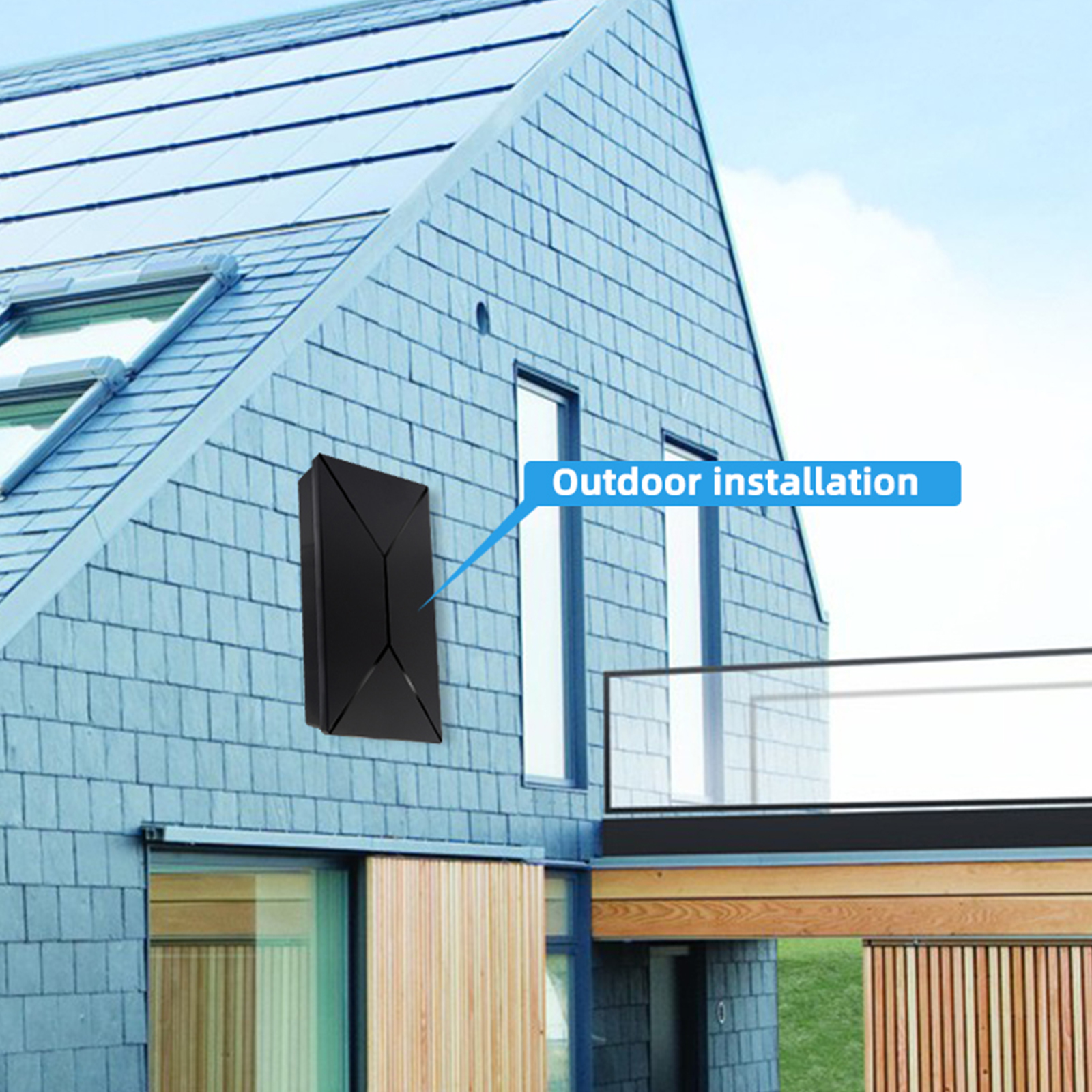
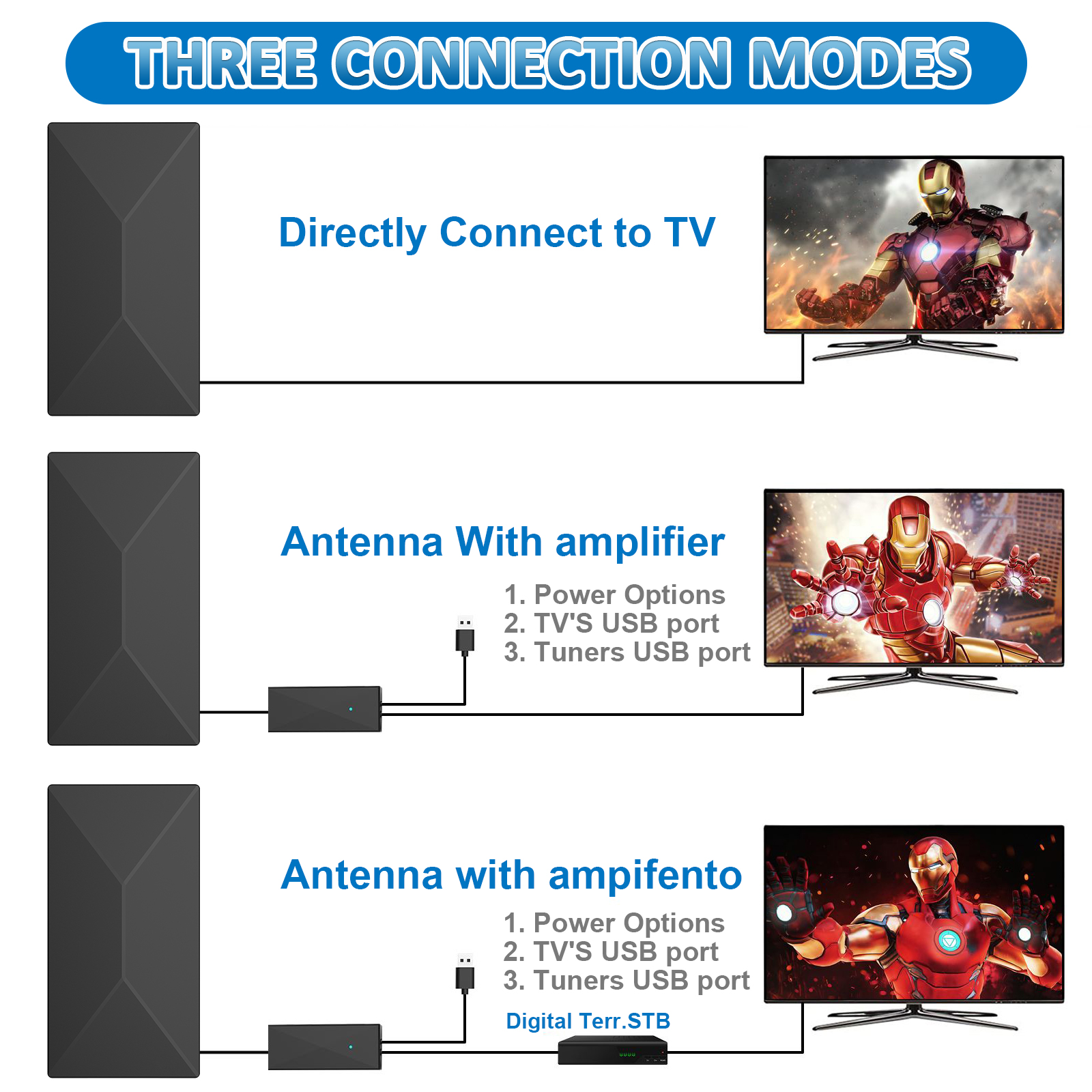
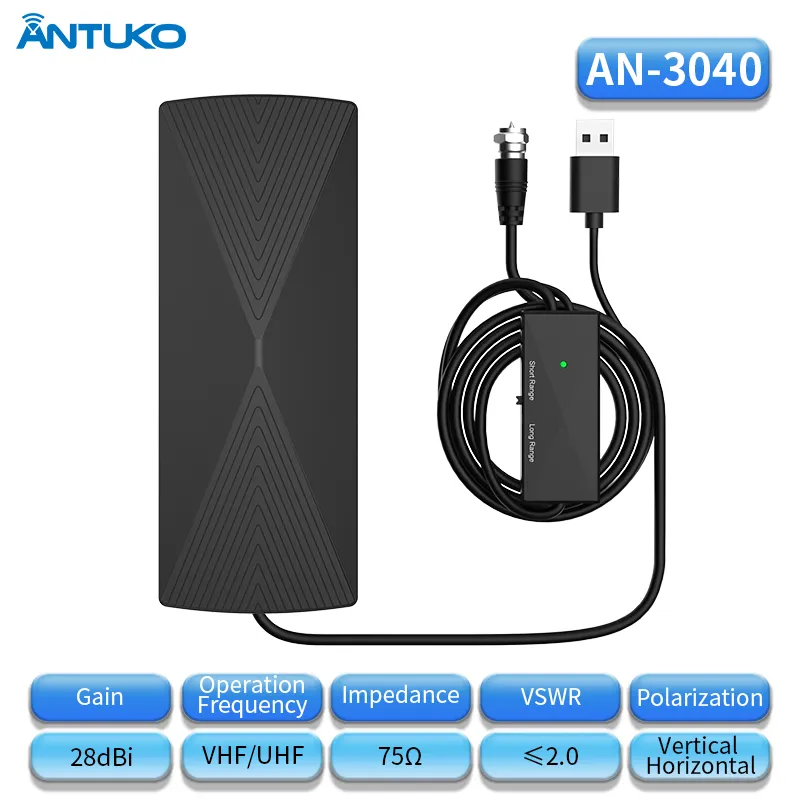
Every streaming price increase is, in effect, a marketing campaign for free over-the-air television. An indoor or outdoor Digital tv antenna costs $15 to $50 once and delivers all major networks — ABC, CBS, NBC, FOX, PBS, The CW — plus dozens of digital sub-channels, in uncompressed high definition, with no monthly fee, no internet requirement, and no price increase. Ever.
Consumer Reports' mid-2026 indoor antenna testing confirmed what cord-cutters have been discovering in growing numbers: in most of the United States, a well-placed antenna delivers 30 to 80-plus free channels. The antenna does not require a login. It does not buffer because the network is congested. It does not compress the signal into visible pixelation during fast-motion sports. And it never sends an email titled "Updates to your subscription terms."
The global indoor TV Antenna market, valued at $2.23 billion according to WiseGuy Reports, is growing at a 4.6 to 7.7 percent CAGR — driven not by technology breakthroughs but by streaming economics. Antenna sales spike measurably in the weeks following major streaming price hike announcements, a correlation that Amazon best-seller data and retail inventory patterns confirm. The antenna-plus-streaming hybrid model — free local and live TV from an antenna, supplemented by one or two on-demand streaming services for movies and series — delivers a monthly television cost of $10 to $30 instead of $80 to $170. For millions of households, the math is becoming impossible to ignore.
What Comes Next: The Streaming Industry at a Crossroads
The streaming market in mid-2026 is entering a phase where the easy growth — converting cable subscribers into streaming subscribers — is largely complete. Two-thirds of US households have abandoned traditional pay-TV. The remaining growth must come from raising prices on existing subscribers, converting them to higher-revenue ad-supported tiers, or bundling services to increase total household spend. All three strategies are inflationary for consumers.
Several specific developments will shape the next 12 to 18 months. Netflix's Premium tier at $26.99 tests the upper boundary of what consumers will pay for a single streaming service — if churn remains low at this price, other platforms will follow upward. The Hulu-Disney+ merger later in 2026 will create a single, more expensive platform that consumers cannot unbundle — a pricing experiment that, if successful, will be replicated across the industry. The ad-supported tier expansion will continue, with ad loads likely increasing as platforms optimize for total revenue per user — testing consumer tolerance for commercials they originally cut the cord to escape. The bundling wave will intensify, with more multi-platform packages, more telco-partnered deals, and more aggregation platforms that simplify billing but obscure per-service costs.
The aggregate effect is a streaming market that increasingly resembles the cable television industry it disrupted — high prices, bundled services, advertising, and consumer confusion about what they are actually paying for. The difference is that the consumer, not the cable company, now manages the complexity. Whether this model proves sustainable depends on whether consumers are willing to pay cable-level prices for internet-delivered television — and the cancellation data suggests that an increasing number are not.
The Bottom Line
The great streamflation of 2026 marks the end of streaming's subsidized era. The decade-long experiment in cheap, abundant, ad-free television — funded by Wall Street's willingness to prioritize growth over profit — is over. What remains is a maturing industry applying the same pricing and bundling strategies that made cable television one of the most profitable businesses of the twentieth century.
For consumers, the strategic question is straightforward: how much of your monthly budget are you willing to allocate to streaming, and what is the optimal mix of paid subscriptions, ad-supported tiers, and free over-the-air television that delivers the content you want at a price you can accept? The answer, for a growing number of households, involves fewer streaming services and more Antennas than it did a year ago. The streaming industry spent a decade teaching consumers to cut the cord. It is now teaching them to cut the stream.

 Español
 Portugues
 Pусский
 Français
 Deutsch
 日本語
日本語
 한국어
한국어
 العربية
 Italiano
 Nederlands
 Ελληνικά
 Svenska
 Polski
 ไทย
ไทย
 Türk dili
 हिन्दी
 Indonesia
 Melayu
 Tiếng Việt
 中文
中文
 dansk
dansk
 Magyar
 қазақ
қазақ
 বাংলা
বাংলা
 עִברִית
 čeština
 Soomaali
 မြန်မာ
 فارسی
فارسی
 українська
 norsk
norsk
 Gaeilge
 беларускі
 Română
 ພາສາລາວ
 Filipino
 lietuvių
 Cymraeg
 македонски
 Suomalainen
 slovenský
 o'zbek
 اردو
اردو
 հայերեն
 Igbo
Igbo
 български
 سنڌي
سنڌي
 Shona
Shona
 සිංහල
සිංහල
 Hrvatski
 íslenskur
 galego
 català
 Zulu South Africa
 Afrikaans isiXhosa
 ಕನ್ನಡ
ಕನ್ನಡ
 lëtzebuergesch
 Indonésia Sunda
 Кыргызча
 тоҷикӣ
 Србија
 Twi
Twi
 Hawaii
 Cebu
Cebu
 नेपाल
नेपाल
 euskara
 frissi
 יידיש
יידיש
 latvija
 slovenija
 kiswahili
 ਪੰਜਾਬ
ਪੰਜਾਬ
 پښتو
پښتو
 საქართველოს
 hua moni
 bosna
bosna
 Kreyòl ayisyen
 Eesti
Eesti
 Gàidhlig na h-Alba
 Samoa
Samoa
 Монгол
 Azərbaycan
 አማራ
አማራ
 Shqipëria
 Malagasy
 Malta
Malta
 ខ្មែរ
ខ្មែរ
 Chicheva
 中文(繁體)
 ଓଡିଆ
ଓଡିଆ
 Setswana
 Afrikaans
 Aymara
 Башҡорт
 Türkmenler
 ትግሪኛ
ትግሪኛ
 Afaan Oromoo
 অসমীয়া
 Kinyarwanda
 Ilocano
 Wolof
Wolof
 अवधी
अवधी
 Oluganda
 Bikol
Bikol
 Fulɓe
Fulɓe
 Kikongo
 Sango
Sango
 ދިވެހި
 Lingala
 मैथिली
 Tsonga
 ꯃꯦꯏ ꯊꯥꯏ꯫
 brezhoneg
 Furlan
 नेवा
नेवा
 རྫོང་ཁ
 Santali
 Аҧсуа
Аҧсуа
 Нохчийн
 Чӑваш
Чӑваш
 Татар
Татар
 Batak Karo
 دری
دری
 Diura
Diura
 Fengyu
 Eʋegbe
 Iban
Iban
 Fiji
Fiji
 Tonga
Tonga
 Inuktitut
 Nahuatl
 maaya yucatec
 Runasimi
 guarani
 Qafar
Qafar
 Acholi
 Dinka
Dinka
 Luo
Luo
 Lundi
Lundi
 isiNdebele
 Tshivenḓa
 Sesotho sa Leboa
 Sesotho sa Borwa
 Ndumbe
 Papuan Pidgin
 Rromani ćhib
 Thok Nath






 WhatsApp
 phones
Comment
(0)